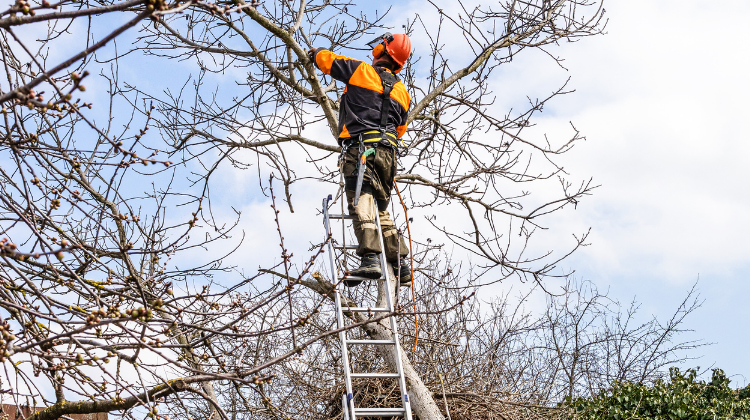
Timing isn’t just about convenience; it affects the tree’s health, your safety, and even legal compliance.
Cut at the wrong time, and you might weaken the tree, invite pests, or face fines if it’s a protected species.
But do it right, and you’ll minimize risks, make cleanup easier, and even encourage healthier growth for remaining trees.
So, when should you schedule tree felling? Winter and early spring are often ideal, but some trees need special care.
Whether you’re tackling the job yourself or hiring a professional, this guide will walk you through the best seasons, safety tips, and legal must-knows—so you can make smart, confident decisions about your trees.
Let’s dive in!
Best Seasons for Tree Felling: Timing It Right
Choosing the right season for tree removal isn’t just about convenience – it affects everything from the tree’s health to your safety and even the cost of the job.
Here’s your seasonal guide to smarter tree felling:
Winter (June-August): The Ideal Window
Why it works best:
- Most trees are dormant, reducing stress from cutting
- Deciduous trees have dropped leaves, allowing perfect visibility of branch structure
- Cooler temperatures make physical work more comfortable
- Lower risk of spreading diseases or attracting borers
Best for:
- Large indigenous trees like Yellowwoods
- Deciduous exotics (oaks, planes, poplars)
- Any major removals near structures
Early Spring (September-October): The Second-Best Option
Advantages:
- Trees haven’t yet put energy into new growth
- Ground is still firm from winter, but warming up
- Good time for stump removal before summer rains
Caution:
- Some species (like maples) begin sap flow early
- Watch for early-nesting birds in coastal regions
Late Autumn (April-May): The Practical Alternative
Benefits:
- Dry season begins in many regions
- Cooler weather returns
- Most trees have completed fruiting
Ideal for:
- Removing problematic fruit trees
- Clearing before winter fire season in Western Cape
Summer (November-March): Emergency Only
When to consider:
- Storm-damaged trees posing immediate danger
- Diseased trees that could infect others
Challenges:
- Full foliage makes assessing structure difficult
- Heavy summer rains can complicate work (especially in KZN)
- Heat stress for workers
- Active growing season means cuts heal slowly
Regional Considerations:
- Western Cape: Best during dry summer months (Dec-Feb) for easy cleanup
- Highveld: Ideal in winter when thunderstorms are rare
- Coastal Regions: Consider wind patterns – avoid windy seasons
- Fire-Prone Areas: Complete removals before fire season
Important Exceptions:
- Protected species (like Camelthorns or Wild Olives) require permits regardless of season
- Always check for active bird nests before cutting (protected by law year-round)
- In malaria areas, winter work reduces mosquito risks
For most South African homeowners, the window between June and August offers the safest, most efficient time for tree removals.
But remember – a dangerous tree should never wait for “the right season.” If it poses immediate risk, call a professional arborist immediately.
Tree-Specific Considerations
While winter and early spring are generally the safest times for tree felling, not every tree plays by the same rules.
Some species have unique needs, and ignoring them could lead to unnecessary stress, disease, or even permanent damage. Here’s what you need to know before grabbing your chainsaw:
1. Deciduous vs. Evergreen Trees
Deciduous trees (those that lose leaves in winter) are best pruned or felled during late winter dormancy.
- Without leaves, their structure is easier to assess, and cuts heal quickly once spring arrives. Examples: Oak, Maple, Birch.
- Evergreens (like pines and cedars) can be trimmed or removed year-round but handle stress better in late winter before new growth starts.
2. Watch Out for “Bleeders”
Some trees, like Maples and Birches, “bleed” sap heavily if cut in late winter or early spring.
While this isn’t usually fatal, it can weaken the tree and attract pests. For these species, late spring or early summer (after leaves fully develop) is safer.
3. Diseased or Storm-Damaged Trees
If a tree is rotting, infested, or has broken limbs after a storm, don’t wait for the “perfect” season—act immediately. Delaying removal could lead to sudden collapse, putting your property at risk.
5. Legal Requirements
Certain situations mandate removal:
- Court orders for dangerous trees
- Municipal directives for road or infrastructure projects
- Quarantined trees with contagious diseases
You might also be interested in: Essential Guide To South Africa’s Protected Trees
Before You Proceed:
- Always verify if your tree is protected (like Wild Olive or Milkwood)
- Check local bylaws – many municipalities require permits
- Consider alternatives like crown reduction or bracing
- Consult a certified arborist for professional assessment
Remember: Even dead trees can have ecological value.
If safety allows, consider leaving standing deadwood (snags) as habitat for birds and insects.
When removal is truly necessary, plan to replace it with an appropriate indigenous species to maintain your garden’s biodiversity.
When in doubt, seek professional advice to explore all options before proceeding with felling.
DIY vs. Professional Help: Knowing Your Limits
Deciding whether to tackle tree removal yourself or call in professional tree fellers depends on the tree’s size, location, and complexity.
While DIY might save money, improper felling can lead to property damage, injury, or even legal trouble.
Here’s how to choose wisely:
When DIY Might Work (With Caution)
- Small trees (under 6m tall with thin trunks)
- Minimal obstacles (away from buildings, power lines, and fences)
- Healthy, stable wood (no signs of rot or disease)
- Proper tools & safety gear (chainsaw, helmet, gloves, and ropes)
If you DIY:
- Cut in favourable weather (no wind or rain)
- Have a helper to guide the fall and assist in emergencies
- Study proper notch-and-backcut techniques
- Always plan an escape route
When to Call a Professional Arborist
- Large or tall trees (especially near structures)
- Complex situations (leaning trees, rot, or heavy branches)
- Protected species (illegal removal can result in fines)
- Power line proximity (requires specialized training)
- Stump grinding & deep root removal (heavy machinery needed)
Why hire a pro?
- Safety first – Arborists are trained in risk assessment and cutting techniques
- Proper equipment – Cranes, wood chippers, and stump grinders
- Legal compliance – Permits and protected species knowledge
- Cleanup included – No leftover logs or hazardous debris
Bottom Line: If the tree is bigger than you can handle, near hazards, or protected, hiring a certified arborist is the smart (and often cheaper in the long run) choice.
You might also be interested in: 5 Warning Signs Your South African Palm Tree is Dying
For small, low-risk jobs, DIY is possible—but never cut corners on safety.
Conclusion
The best time for tree felling depends on both the tree species and your local climate.
For most deciduous trees, the dry winter months (June-August) are ideal, when dormant trees are easier to assess and cut safely.
Evergreens can often be removed year-round, though cooler months reduce stress on surrounding plants.
Always prioritize safety—dangerous or diseased trees should be removed immediately, regardless of season.
Before cutting, check for protected species and nesting birds, and consider replanting with indigenous alternatives.
When in doubt, consult a professional arborist to ensure proper timing and technique. Smart felling protects both your property and our precious urban forest.