The Single-Growing Point Vulnerability
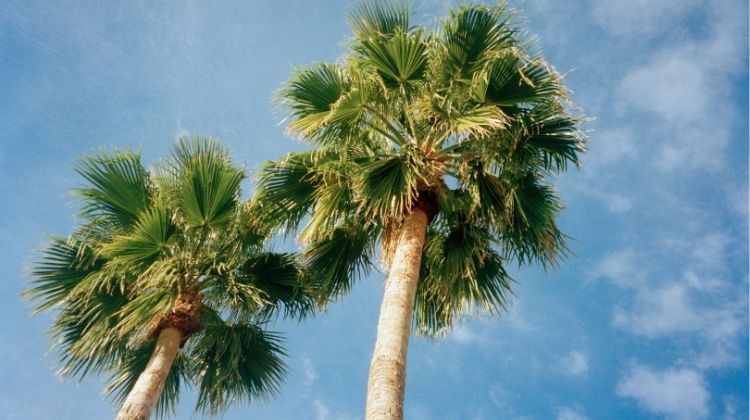
Unlike many other trees, palms have a solitary growing point called the “apical bud” or “heart,” located at the top of the trunk.
This bud is responsible for all new growth.
If it is damaged by disease, pests, or physical trauma, the entire tree will die—it cannot regenerate like deciduous trees can.
This makes early detection of problems critical, as delays often lead to irreversible decline.
Subtle Signs of Distress
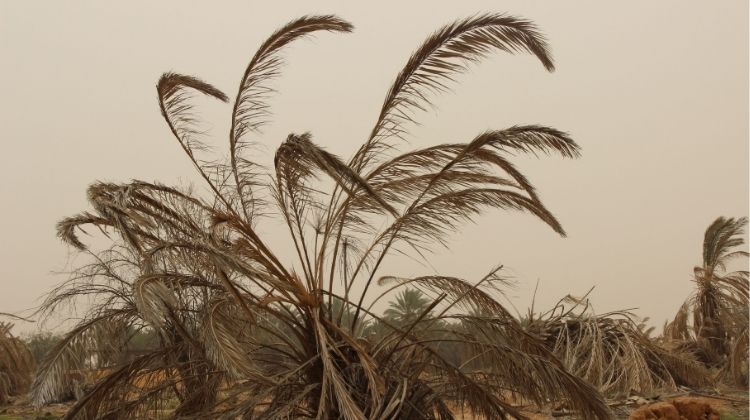
The signs of distress in South African palm trees are often subtle and easily mistaken for natural aging.
Homeowners might overlook issues like frond discoloration, slow growth, or minimal canopy thinning until it’s too late.
Additionally, palms are susceptible to region-specific threats, such as the invasive red palm weevil or fungal infections like Fusarium wilt, which thrive in local conditions and require specialized knowledge to identify and address.
Safety and Structural Risks
Beyond the loss of the tree, there are serious safety implications.
A dead or diseased palm becomes structurally unstable.
Its heavy crown and decaying trunk can collapse unexpectedly, especially during seasonal winds or storms, common in many parts of South Africa.
This poses significant risks to property, people, and pets. For these reasons, understanding palm health isn’t just about aesthetics—it’s a necessary part of responsible property management.
2. The Disappearing Crown: Excessive Frond Loss
What to Look For?
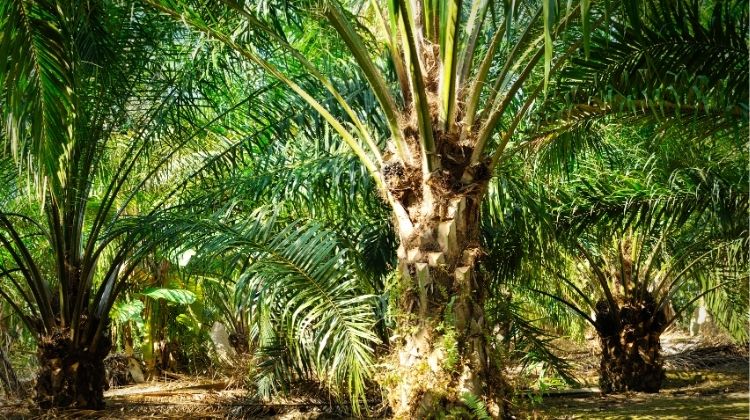
While it’s normal for older, lower fronds to yellow and drop occasionally, a rapid and excessive thinning of the canopy is a red flag.
If the trunk becomes visibly bare and the few remaining fronds appear weak, discoloured, or undersized, the tree is under severe stress.
What It Means?
This often points to issues beneath the surface.
Nutrient deficiencies are common culprits—South African palm trees frequently suffer from lack of potassium or magnesium, especially in sandy or depleted soils.
Alternatively, the root system may be compromised due to waterlogged conditions, fungal root rot, or damage from construction activities.
Can It Be Saved?
Maybe, if caught early.
A deep-root fertilization treatment administered by a professional may help address nutrient deficiencies.
However, if the roots are extensively damaged or diseased, recovery is unlikely.
An assessment from a certified arborist is essential to determine the best course of action.
3. The Spotted & Streaked Leaves: Fungal and Bacterial Invaders
What to Look For?
Keep an eye on the colour and texture of the fronds.
Yellow, brown, or black spots, streaks, or lesions that spread across the leaves are tell-tale signs of infection.
The fronds may also appear wilted, burnt at the tips, or distorted in shape.
What It Means?
These symptoms are classic indicators of fungal or bacterial diseases.
Fusarium wilt, for example, is a widespread issue for Queen Palms in South Africa, causing fronds to wither and die in a specific pattern.
Diamond scale fungus manifests as raised, black diamond-shaped patches.
These pathogens often spread through contaminated pruning tools or infected soil.
Can It Be Saved?
Rarely.
Many palm diseases are fatal once symptoms are visible.
More importantly, some are highly contagious and can spread to other healthy palms in your garden.
Prompt diagnosis is key.
A professional tree feller may recommend removal to prevent further infestation and protect surrounding trees.
4. The Tell-Tale Holes & Oozing Sap: Pest Infestation
What to Look For?
Visible small holes bored into the trunk or the bases of fronds are a major warning sign.
You might also notice a sawdust-like substance (called frass) collecting around the base, oozing sap, or even a faint fermented odour emanating from the crown.
In advanced cases, the crown may appear chewed or asymmetrical.
What It Means?
These are almost certain signs of a pest infestation, most commonly by the red palm weevil or palm borer.
These insects burrow into the trunk to lay eggs, and their larvae feed on the tender heart tissue, effectively killing the palm from the inside out.
Can It Be Saved?
Only if caught extremely early.
Treatment involves specialized insecticide injections applied by professionals.
However, by the time external symptoms like holes and oozing sap are visible, the internal damage is often too extensive.
Unfortunately, removal is usually the only safe option to eliminate the pest colony.
5. The Unstable Base: Root Rot and Structural Decay
What to Look For?
Inspect the base of the trunk regularly.
If it feels soft, spongy, or hollow to the touch, this is a critical red flag.
Other signs include the appearance of fungal conks (mushroom-like growths) on the trunk or a sudden, noticeable lean that wasn’t there before.
What It Means?
These symptoms suggest serious internal decay, often caused by diseases like Ganoderma butt rot, a fungal infection that decomposes the trunk from the inside.
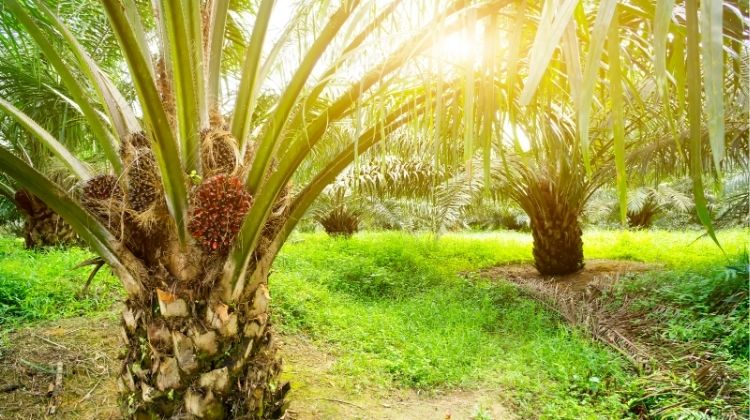
Overwatering, poor drainage, or physical injury to the trunk can create entry points for these pathogens, leading to a loss of structural integrity.
Can It Be Saved?
No. A palm with a compromised trunk is an imminent hazard.
The tree can fall without warning, especially during high winds or heavy rains, posing a severe danger to people, pets, and property.
This situation requires urgent professional assessment from a tree feller and almost always necessitates immediate removal.
Understanding these five warning signs can help you act decisively.
If you observe any of these symptoms in your palm trees in South Africa, seeking professional advice is not just recommended—it’s essential for the safety and beauty of your property.
What to Do If You Spot These Signs: A Homeowner’s Action Plan
Discovering potential issues with your palm trees in South Africa can be concerning, but a calm, methodical approach is key to resolving the situation safely and effectively.
Here’s a clear action plan to guide you through the next steps.
Step 1: Assess and Document the Situation
Begin by carefully observing the tree from a safe distance.
Note specific symptoms like discolored fronds, visible pests, or soft areas on the trunk.
Take clear, well-lit photographs of the overall tree and close-ups of any concerning areas.
This documentation will be invaluable for professional assessment and potential permit applications if your South African palm trees are protected species.
You might also be interested in: Native vs. Invasive: A Guide to Palm Tree Species in South Africa
Step 2: Avoid DIY Interventions
Resist the urge to prune heavily, apply pesticides, or fertilize without expert advice.
Incorrect pruning can spread disease or further stress the tree, while misapplied chemicals may harm beneficial organisms or exacerbate the problem.
For palm trees in South Africa, improper care often accelerates decline rather than resolving it.
Step 3: Consult a Certified Professional
Contact a reputable tree care company specializing in South African palm trees.
Certified arborists can accurately diagnose issues—whether nutritional, disease-related, or pest-related—and recommend appropriate treatments.
If the tree is dead or hazardous, they will advise on safe removal, ensuring compliance with local regulations, especially for protected or invasive species.
Step 4: Implement Recommendations Promptly
If treatment is possible, schedule it without delay.
For trees requiring removal, prioritize this to eliminate safety risks.
A professional service will handle complexities like permits, safe dismantling, and debris disposal, giving you peace of mind and protecting your property.
Prevention is Better Than Cure: Maintaining Healthy South African Palm Trees
Protecting your palm trees in South Africa begins with proactive care rather than reactive measures.
By understanding their specific needs, you can significantly reduce the risk of disease, pest infestations, and premature decline.
Strategic Planting and Soil Management
Choose planting locations wisely, ensuring adequate space for growth and avoiding areas with poor drainage.
South African palm trees thrive in well-draining soil, so amend heavy clay soils with organic matter to prevent root rot.
Mulching around the base helps retain moisture and regulate soil temperature, but keep mulch away from the trunk to avoid fungal growth.