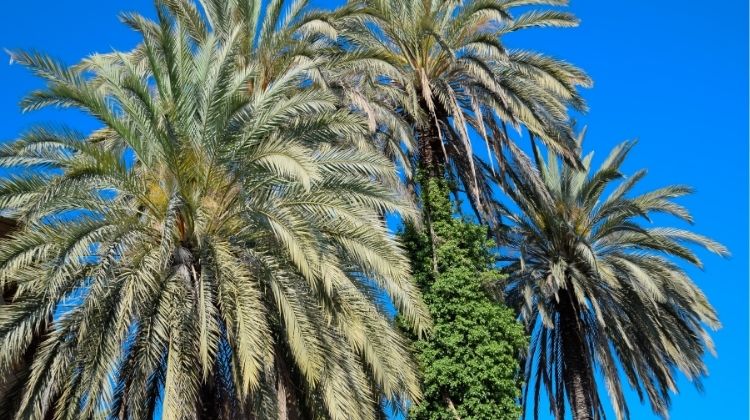
The graceful silhouette of a palm tree against a South African sky is an iconic sight, symbolizing beauty and relaxation in our gardens.
Yet, many homeowners are unaware of a growing paradox: several of these beloved trees are actually classified as invasive species.
What appears as a landscape asset can be a threat to our local ecosystems, competing with indigenous flora for resources.
This presents a complex dilemma for property owners. How do you identify which palms are environmental outliers?
Are there legal restrictions on their removal?
Understanding the difference between native and invasive South African palm trees is the crucial first step toward responsible property management and informed decision-making about your landscape.
Understanding the Terminology: Why It Matters for Your Property
Before we delve into specific species, it’s essential to understand the key terms that define this issue.
For a homeowner, this isn’t just about botany; it’s about legal responsibility, environmental impact, and the safety of your property.
So…
What makes a tree “invasive”?
In South Africa, an invasive species is officially defined as a tree that is not native to the ecosystem (alien) and whose establishment and spread threatens biodiversity, water resources, or human safety.
These palm trees aggressively outcompete indigenous plants for sunlight, water, and space, often leading to barren ground under their canopies and a loss of habitat for local wildlife.
Conversely, “indigenous” or “native” South African palm trees are species that occur naturally within the region.
They are vital to the local ecosystem, supporting birds, insects, and other flora.
Why should you care? The classification of the palm trees on your land matters for three direct reasons:
- Environmental Duty: Choosing to manage invasive species is a direct contribution to preserving our unique South African environment.
- Legal Compliance: The National Environmental Management: Biodiversity Act (NEM:BA) regulates specific invasive trees. Ignorance isn’t a defense, and non-compliance can have consequences.
- Water Security: Many invasive trees are thirstier than indigenous species, a critical concern in our water-scarce country.
Understanding this terminology is the foundation for making smart, responsible decisions about the trees on your property.
The Common Invaders: Invasive Palm Trees in South African Gardens
While native species are protected, many of the most common palm trees gracing South African suburbs are actually classified as invasive.
These species, though popular in landscaping for their aesthetic appeal, pose a significant threat to our local ecosystems.
For homeowners, this classification under NEM:BA (National Environmental Management: Biodiversity Act) legislation is critical.
It dictates that these trees may not be planted, propagated, or moved, and in many cases—especially near sensitive areas like riverbanks—they must be removed and controlled.
Understanding these invasive trees in South Africa is the first step toward responsible and legal garden management.
1. The Date Palm (Phoenix dactylifera) – A Category 3 Invader
Origin: Middle East / North Africa
Identification: This palm is characterized by a thick, single trunk with a shaggy appearance from old leaf bases.
It sports long, sharp spines at the base of its classic feather-like (pinnate) leaves and produces well-known, edible dates.
Why it’s a Problem: The Date Palm is a thirsty tree that competes aggressively for water.
Its seeds are readily spread by birds and mammals, allowing it to invade riverbanks and wetlands.
Here, it forms dense stands that crowd out crucial indigenous vegetation, leading to soil erosion and a loss of habitat for native wildlife.
Implications for You: Legally, it is listed as a Category 3 invasive species.
This means that while existing plants may remain, they must be prevented from spreading.
Crucially, if a Date Palm is growing in an area designated for rehabilitation (e.g., near a river, wetland, or in a nature reserve), it must be removed.
This is a primary reason homeowners require professional palm tree felling services to remain compliant with the law.
2. The Queen Palm (Syagrus romanzoffiana) – A Widespread Nuisance
Origin: South America.
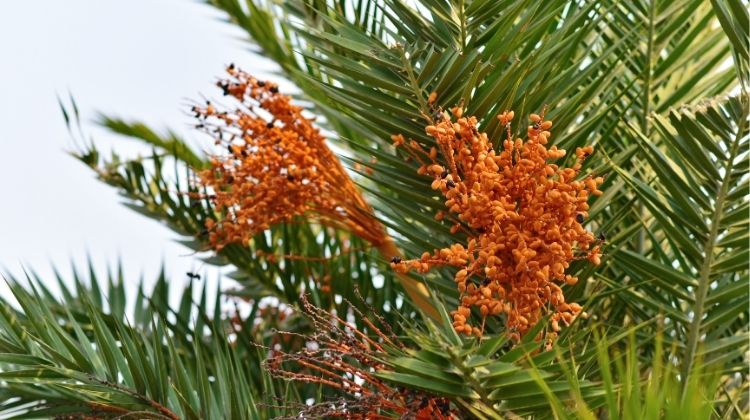
Identification: This is one of the most common ornamental palm trees, prized for its elegant, smooth grey trunk and graceful crown of long, arching, feather-like leaves.
It produces large, orange clusters of fruit.
Why it’s a Problem: The Queen Palm is a prolific seed producer.
These seeds are easily dispersed by birds and garden waste, allowing the tree to readily “escape” cultivation and establish itself in natural areas.
It outcompetes slower-growing indigenous seedlings for light and space, altering the ecology of the land.
Implications for You: Also typically classified as a Category 3 invasive species, the same rules apply.
You cannot plant new ones, and you have a legal responsibility to manage existing specimens to prevent them from spreading.
Their rapid growth can also make them a liability if they become too large for a residential property, requiring professional management.
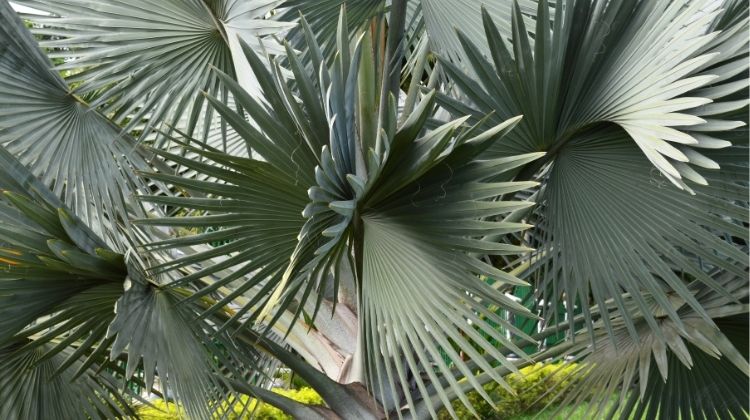
3. The Washingtonia or Fan Palm (Washingtonia robusta) – A Giant Hazard
Origin: Mexico and Southwestern USA
Identification: This palm is unmistakable due to its extraordinary height and slender trunk, often topped with a dense crown of large, fan-shaped leaves.
The dead, dry leaves often hang down against the trunk, forming a persistent “skirt.”
Why it’s a Problem: Beyond its invasive potential, the Washingtonia Palm is a notorious fire hazard.
The skirt of dead fronds is highly flammable, creating a dangerous fuel ladder that can carry fire to the living canopy and potentially to nearby structures.
Their immense height also makes them particularly susceptible to wind damage, posing a significant safety risk.
Implications for You: While its invasive status is clear, the primary reason for removal is often safety.
Felling these giants is an extremely dangerous task that requires professional expertise, specialized equipment, and meticulous planning to avoid damage to property or injury.
This is not a DIY job.
The Grey Area: Common But Not Officially “Invasive”
Beyond the clear-cut categories of protected native and declared invasive, there exists a horticultural grey area.
This includes non-native palm trees that, while widely planted and not officially listed on the NEM:BA regulations, can still become problematic in a garden setting.
A prime example is the Canary Island Date Palm (Phoenix canariensis).
The Canary Island Date Palm (Phoenix canariensis)
This massive, single-trunked palm with a thick, diamond-patterned trunk and a dense crown of fronds is a landmark in many gardens.
While not classified as invasive nationally, it can naturalise in certain areas.
Its significant size, immense weight, and thirst for water make it a potential liability for suburban properties, often necessitating removal due to safety concerns or space constraints.
Other commonly sold palms, like certain Livistona or Butia species, may also fall into this category.
The key takeaway is that a tree doesn’t need to be officially “invasive” to be the wrong choice for your property.
Factors like ultimate size, growth speed, water usage, and root system are critical considerations for any homeowner, highlighting the value of professional advice before planting or deciding to remove an established tree.
Why This All Matters: The Homeowner’s Dilemma
Understanding the difference between native and invasive South African palm trees moves from a theoretical exercise to a practical one with real-world consequences.
For the homeowner, this knowledge is the key to navigating a complex dilemma that balances environmental ethics, legal compliance, and personal safety.
The Liability of an Invasive Species
An invasive palm tree on your property is more than just a plant; it’s a potential liability.
Beyond its environmental impact, its unchecked growth can lead to tangible problems.
Thirsty invasive palm trees can strain water resources and damage plumbing infrastructure with their root systems.
Furthermore, large species like the Washingtonia pose a significant safety hazard.
Their sheer height and weight make them dangerously unstable in high winds, threatening your family, property, and neighbours.
The legal responsibility for any damage caused lies with you, the property owner.
The Protection of Native Species
Conversely, the discovery of a native South African palm tree, like the Wild Date Palm, introduces a different set of considerations.
These trees are often protected by strict local municipal bylaws.
Unauthorized removal or even improper pruning can result in severe fines, regardless of your intentions.
What you might see as a simple landscaping project could be a violation of conservation laws designed to protect our natural heritage.
This is the core dilemma: one tree might require removal due to its invasive status, while another may be off-limits due to its protected status.
This complexity is precisely why professional assessment is not just recommended—it is essential for making informed, responsible, and legal decisions about the palm trees on your land.
What To Do Now: A Step-by-Step Guide for the Responsible Homeowner
Feeling overwhelmed is a natural reaction, but you don’t have to navigate this alone.
This simple, step-by-step guide will help you approach the situation responsibly and ensure you make the best decision for your property and the environment.
Step 1: Identify Your Tree
Use the descriptions in this article to make a preliminary identification of your palm tree.
Take clear photos of the trunk, leaves, and overall shape.
Is it a clumping native Phoenix reclinata or a single-trunked invasive Phoenix dactylifera?
Accurate identification is the essential first step.
Step 2: Conduct a Risk and Impact Assessment
Look at your tree with a critical eye.
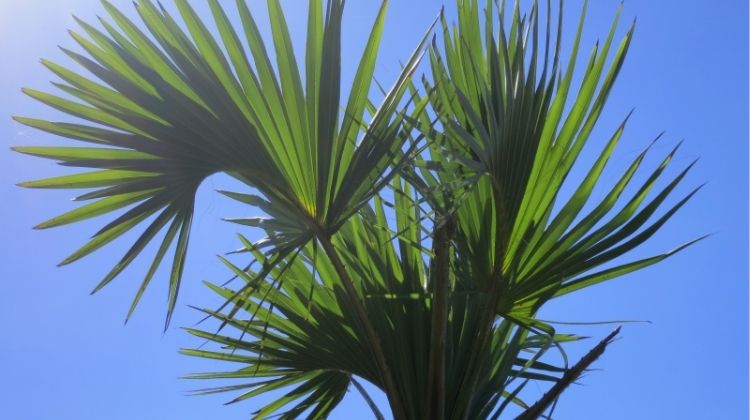
Ask yourself key questions:
- Is it showing signs of disease or instability?
- Is its growth impacting structures, walls, or paving?
- Is it dangerously close to your home or power lines?
- Is it located near a natural watercourse or protected area?
This assessment helps define the urgency and reason for action.
Step 3: Understand the Legal Framework
Awareness is key.
Familiarize yourself with the National Environmental Management: Biodiversity Act (NEM:BA) regulations regarding invasive trees in South Africa.
Most importantly, contact your local municipal office (e.g., City of Tshwane, eThekwini Municipality) to inquire about their specific Tree Preservation Orders or bylaws.
This will clarify if you need a permit.
Step 4: Consult a Professional Arborist
This is the most crucial step.
Once you have your initial information, contact a certified and insured professional.
A reputable tree felling company will provide a definitive identification, assess the tree’s health and structural safety, and expertly guide you through the legal permit process if required.
They transform a complex dilemma into a safe, compliant, and manageable solution.
You might also be interested in: The Best Time for Tree Felling